Introduction: Why Preventative Home Maintenance Matters More Than Ever
Maintaining a home requires much more than occasional cleaning or cosmetic updates. Every home relies on a combination of structural systems, plumbing infrastructure, drainage pathways, electrical components, and mechanical equipment that work together to support safety, comfort, and efficiency. When these systems are maintained properly, homeowners enjoy fewer emergencies, lower repair costs, and improved long-term property value. However, when small issues are ignored, they often develop into expensive and disruptive repairs.
One of the biggest challenges homeowners face is that many problems develop gradually. A slow drain may seem minor until a sewer backup occurs. Reduced water pressure can signal deeper pump or plumbing issues. Small roof drainage problems may eventually weaken foundations or siding. Because these issues often begin subtly, preventative maintenance is essential for identifying concerns before serious damage develops.
Modern homes also place increasing demands on household systems. Electrical infrastructure supports more devices and appliances than ever before. Plumbing systems operate under constant daily use, and drainage systems must handle heavier rainfall and changing weather conditions. Garages have become multi-functional spaces used for storage, workshops, and vehicle protection, increasing wear on access systems and mechanical components.
Preventative care is one of the most effective ways to reduce financial strain associated with homeownership. Emergency repairs are typically far more expensive than routine maintenance, and they often occur at the most inconvenient times. Regular inspections and strategic upgrades allow homeowners to budget more effectively while reducing the likelihood of unexpected failures.
Another important aspect of home maintenance is coordination. Home systems do not operate independently. Poor drainage can affect foundations, plumbing leaks can contribute to mold growth, and overloaded electrical systems can create safety hazards. A comprehensive maintenance strategy evaluates how systems interact and prioritizes improvements that protect the home as a whole.
This guide explores practical ways homeowners can maintain safe, efficient, and functional properties through proactive maintenance and thoughtful upgrades. By focusing on prevention, organization, and long-term planning, homeowners can improve reliability, comfort, and property value while avoiding many of the costly repairs that result from neglected maintenance.
Protect Water Systems Before Pressure and Flow Problems Escalate
Reliable water pressure is essential for everyday household functionality. Homes that rely on well systems or specialized pump equipment depend heavily on consistent system performance for cooking, bathing, cleaning, and irrigation. When pumps begin to fail, homeowners often experience reduced water pressure, inconsistent flow, and higher energy usage.
Well pump repair becomes necessary when systems can no longer maintain stable water delivery. Because pumps work continuously behind the scenes, homeowners may not notice declining performance until significant issues arise.
Common warning signs of pump problems include:
- Fluctuating water pressure
- Air sputtering from faucets
- Unusual clicking or humming noises
- Increased energy bills
- Reduced water flow during peak usage
Vacuum pump repair may also be needed in homes or systems where vacuum-assisted equipment supports plumbing or water management functions. Mechanical wear, seal deterioration, and electrical issues are common causes of declining performance.
Routine inspections help identify problems before complete failure occurs. Preventative maintenance strategies include:
- Monitoring water pressure levels regularly
- Inspecting electrical connections and switches
- Checking pressure tanks for proper operation
- Listening for unusual sounds during pump cycles
Seasonal weather can also affect pump systems. Freezing temperatures, heavy rainfall, and drought conditions all place additional strain on water infrastructure.
Additional preventative maintenance tips include:
- Protecting exposed pipes and equipment from freezing
- Testing backup systems periodically
- Scheduling professional inspections annually
- Monitoring sediment buildup in water systems
Addressing small pump concerns early helps avoid sudden water loss and expensive emergency repairs.
Prevent Drainage Issues Before They Cause Water Damage
Drainage systems play a critical role in maintaining sanitation and protecting homes from moisture damage. When drains become clogged or sewer lines begin to fail, water flow slows and pressure increases throughout the plumbing system. If ignored, these problems can eventually lead to backups, leaks, and structural damage.
Routine clogged drain cleaning helps remove buildup before blockages become severe. Grease, soap residue, food particles, mineral deposits, and hair are among the most common causes of restricted drains.
Warning signs of drainage issues include:
- Slow-draining sinks or tubs
- Frequent clogs in multiple fixtures
- Gurgling noises from pipes
- Unpleasant odors near drains
- Water backing up into lower-level fixtures
In more serious cases, sewer repair may become necessary. Underground sewer lines can deteriorate because of age, shifting soil, root intrusion, or pipe corrosion.
Common signs of sewer system problems include:
- Wet areas or sinkholes in the yard
- Sewage odors outdoors
- Multiple drain backups throughout the home
- Unusually green patches of grass above sewer lines
Preventative drainage maintenance strategies include:
- Avoiding grease disposal in kitchen sinks
- Installing drain strainers to catch debris
- Flushing drains with hot water regularly
- Scheduling professional inspections for older plumbing systems
Tree roots are another major cause of sewer damage. Root systems naturally seek moisture and can infiltrate even small cracks in underground pipes.
Additional ways to protect drainage systems include:
- Monitoring landscaping near underground utilities
- Addressing slow drains promptly
- Avoiding harsh chemical cleaners that damage pipes
- Scheduling periodic sewer camera inspections
Proper drainage maintenance protects plumbing infrastructure while reducing the risk of costly structural and sanitation problems.
Improve Water Quality and Protect Plumbing Infrastructure
Water quality has a direct impact on plumbing systems, appliance performance, and household comfort. Hard water, which contains high concentrations of minerals such as calcium and magnesium, gradually creates scale buildup inside pipes and fixtures. Over time, this buildup restricts water flow and reduces efficiency.
Water softener installation helps remove excess minerals from household water supplies, improving plumbing performance and reducing long-term wear on appliances and fixtures.
Common signs of hard water include:
- White residue on faucets and showerheads
- Spotting on dishes and glassware
- Dry skin and hair after bathing
- Reduced soap effectiveness
- Mineral buildup inside appliances
Hard water also contributes to increased plumbing maintenance needs. Scale accumulation inside pipes restricts water flow and forces systems to work harder.
Professional plumbing repair services help address issues such as:
- Leaking pipes or fixtures
- Corroded plumbing components
- Low water pressure
- Hidden moisture damage
Routine plumbing inspections are essential for identifying concerns early before structural damage develops.
Preventative plumbing maintenance includes:
- Inspecting exposed pipes regularly
- Monitoring water bills for unusual increases
- Addressing leaks immediately
- Flushing water heaters periodically
Additional ways to improve plumbing system lifespan include:
- Avoiding chemical drain cleaners
- Installing water-efficient fixtures
- Monitoring water pressure levels
- Replacing aging plumbing materials when necessary
Improving water quality supports cleaner fixtures, healthier plumbing systems, and more efficient appliance operation throughout the home.
Keep Garage Entry Systems Safe and Reliable Year-Round
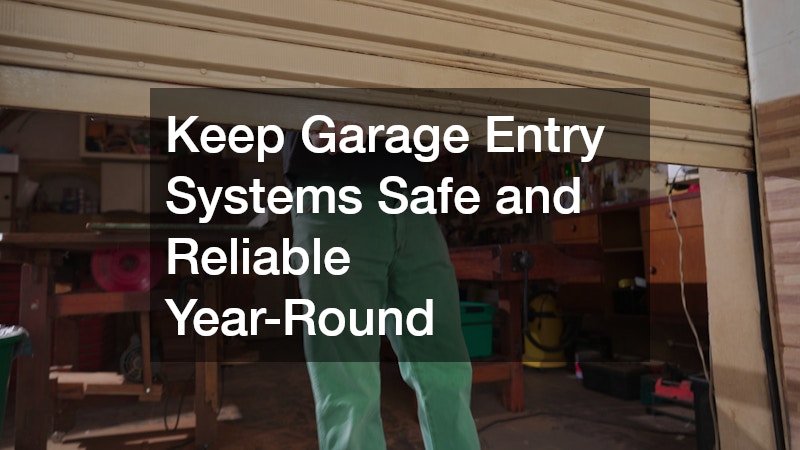
Garage systems are among the most frequently used mechanical systems in many homes. Garage doors often open and close multiple times each day, placing continuous strain on springs, tracks, rollers, and motorized components.
Garage door repair becomes necessary when systems begin showing signs of wear or unsafe operation. Ignoring these issues can lead to sudden breakdowns or safety hazards.
Common warning signs include:
- Uneven door movement
- Loud grinding or squeaking noises
- Delayed response when opening or closing
- Doors that feel unusually heavy
- Visible wear on springs or cables
Garage opener repair may also be required when motors, sensors, or remote systems begin malfunctioning.
Common opener-related problems include:
- Intermittent remote connectivity
- Doors reversing unexpectedly
- Slow motor response
- Safety sensor alignment issues
Routine maintenance significantly improves system lifespan and reliability.
Important maintenance practices include:
- Lubricating moving components regularly
- Testing balance and alignment periodically
- Inspecting springs and cables for wear
- Cleaning tracks and removing debris
Seasonal weather conditions can also affect garage system performance. Temperature fluctuations cause metal components to expand and contract, increasing wear over time.
Additional ways to protect garage systems include:
- Keeping moisture away from metal hardware
- Replacing worn weather seals
- Testing safety reversal systems regularly
- Scheduling annual professional inspections
Well-maintained garage systems improve convenience, security, and overall household safety.
Protect the Home from Moisture and Foundation Damage
Drainage management is one of the most important aspects of protecting a home’s structural integrity. Gutters direct rainwater away from roofing systems, siding, foundations, and landscaping. Without proper drainage, water accumulates around the property and gradually causes damage.
Professional gutter installation services help ensure water flows safely away from the home. Properly designed systems reduce erosion, basement moisture, and structural deterioration.
Common signs of failing gutter systems include:
- Overflowing water during rainstorms
- Sagging or detached sections
- Water stains on siding
- Pooling water near foundations
- Soil erosion around the home
Routine maintenance is essential for effective drainage performance.
Important maintenance tasks include:
- Cleaning gutters seasonally
- Removing leaves and debris from downspouts
- Inspecting fasteners and brackets regularly
- Checking drainage flow during heavy rainfall
Proper gutter systems also help prevent ice dams during winter months by improving water movement away from roofing edges.
Additional drainage improvement strategies include:
- Extending downspouts away from the foundation
- Maintaining proper grading around the home
- Installing gutter guards where appropriate
- Monitoring landscaping for drainage interference
Well-maintained drainage systems reduce moisture-related damage while protecting foundations, siding, and roofing materials.
Maintain Safe and Efficient Power Distribution Throughout the Home
Modern homes rely heavily on electrical systems to power appliances, climate systems, entertainment equipment, lighting, and communication devices. As technology demands increase, outdated electrical infrastructure can become overloaded and unsafe.
An experienced electrical contractor helps homeowners identify safety concerns and improve system efficiency through inspections, upgrades, and preventative maintenance.
Warning signs of electrical problems include:
- Flickering lights
- Frequently tripped breakers
- Burning smells near outlets or panels
- Warm switches or receptacles
- Buzzing sounds inside walls
Older homes are especially vulnerable to electrical issues because many were not designed to support modern power demands.
Routine electrical inspections should include:
- Evaluating panel capacity
- Inspecting wiring for wear or damage
- Testing outlet grounding and safety
- Reviewing surge protection systems
Upgrading electrical infrastructure improves both safety and efficiency.
Common upgrade projects include:
- Installing additional circuits
- Replacing outdated panels
- Adding dedicated appliance circuits
- Improving outdoor electrical systems
Preventative maintenance strategies include:
- Avoiding overloaded outlets and extension cords
- Replacing damaged cords promptly
- Installing whole-home surge protection
- Scheduling inspections after major storms
Modernized electrical systems support safer and more reliable home operation while preparing the property for future technology needs.
Create a Seasonal Maintenance Routine That Prevents Major Repairs
A structured maintenance schedule helps homeowners stay proactive instead of reacting to emergencies after damage has already occurred. Organizing maintenance tasks seasonally ensures systems receive attention before periods of heavy use or severe weather.
Spring maintenance priorities often include:
- Inspecting drainage systems after winter
- Checking plumbing for freeze-related damage
- Cleaning gutters and exterior pathways
- Servicing garage systems and moving components
Summer maintenance tasks may involve:
- Monitoring water pressure and drainage performance
- Inspecting outdoor electrical systems
- Managing landscaping around drainage areas
- Cleaning and organizing utility spaces
Fall preparation should focus on:
- Clearing gutters and downspouts
- Preparing plumbing systems for colder weather
- Inspecting garage weather seals
- Testing sump or drainage systems
Winter maintenance often includes:
- Preventing frozen pipes
- Monitoring heating and electrical performance
- Removing snow buildup near drainage pathways
- Testing backup systems and emergency lighting
Keeping organized service records also helps homeowners identify recurring issues and plan upgrades more effectively.
Conclusion: Creating a Safer, More Reliable, and More Efficient Home
Maintaining a safe and efficient home requires more than occasional repairs or surface-level improvements. Every system within a home—plumbing, drainage, electrical infrastructure, garage access systems, and water management equipment—plays a role in overall comfort, functionality, and long-term structural stability. When these systems are maintained proactively, homeowners experience fewer emergencies, lower repair costs, and greater peace of mind.
One of the most important lessons homeowners can apply is the value of prevention. Small problems such as reduced water pressure, slow drains, aging electrical components, or clogged gutters rarely improve on their own. In most cases, these issues worsen gradually until they create major structural or financial problems. Addressing concerns early helps avoid emergency repairs and protects the long-term integrity of the home.
Strategic upgrades also provide lasting benefits. Improved drainage systems protect foundations and roofing materials, water treatment systems improve plumbing efficiency, and modernized electrical infrastructure supports growing household energy demands safely. Even smaller improvements, such as maintaining garage systems and monitoring plumbing performance, contribute significantly to overall home reliability.
Organization and planning are equally important. Seasonal maintenance schedules, proactive budgeting, and routine inspections help homeowners manage repairs more effectively while reducing the likelihood of costly surprises. Homes that receive consistent care not only function better but also retain stronger resale value over time.
Ultimately, creating a safer and more efficient home is an ongoing process rather than a one-time project. By combining preventative maintenance with thoughtful upgrades and long-term planning, homeowners can protect their investment while building living environments that remain reliable, comfortable, and functional for many years to come.