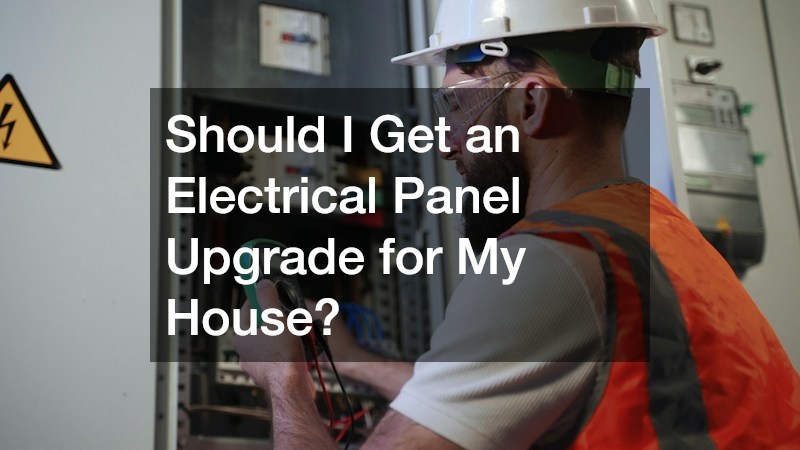
Understanding the necessity and benefits of upgrading your electrical panel can help improve the safety and efficiency of your home’s electrical system. Many homeowners overlook the electrical panel, assuming it does not require maintenance or consideration. However, with the increasing reliance on technology and electronic devices in homes, it’s crucial to reassess the capacity of your electrical system. An outdated or insufficient panel can lead to various problems, including safety hazards and inefficiencies in energy consumption. In this article, we will discuss why an electrical panel upgrade might be the right move for your home.
What is an Electrical Panel Upgrade?
An electrical panel upgrade involves replacing your existing electrical service panel with a new one that handles more power. This process might include upgrading wiring, meter sockets, and other related components to increase the capacity of your system safely.
It’s important to recognize that homes built several decades ago were designed with far lower electrical consumption in mind. The typical modern home today uses a multitude of electronic devices simultaneously, such as computers, smart TVs, air conditioning units, and kitchen appliances, taxing older panels. Scheduling an inspection with a licensed electrician can provide insight into whether an upgrade is necessary for your home.
Many older homes have electrical panels rated at 60-amp or 100-amp service, which may not meet modern electrical demands. Upgrading to a 200-amp service panel can better satisfy the power needs of contemporary living while providing a more stable and safer electrical environment. The upgrade can accommodate additional circuits, specialized circuits for high-demand appliances, and may reduce the risk of electrical fires. It’s also important to consider safety recalls on some older models of breaker panels, which may have known defects. Consulting with an electrical professional can identify these hazards and recommend an upgrade where necessary.
Scheduling an upgrade can prevent electrical problems such as frequent tripped breakers and blown fuses caused by an overloaded system. Any home improvement projects, like installing a central air conditioning unit or an electric vehicle charging station, often necessitate more power and could justify an upgrade. A properly sized electrical panel will provide efficient power management for all your devices and future-proof your home for new technology. Additionally, a key benefit of upgrading is increased home resale value, as potential buyers see the investment as a plus. Effectively managing your home’s power needs is yet another step towards a safer, more functional household.
How Does Upgrading Benefit My House?
Upgrading your electrical panel can offer numerous benefits, primarily centering on increased safety and reliability of your home’s power distribution system. One significant advantage is the enhanced capacity to handle the growing number of high-tech appliances and entertainment systems. Overloading a panel with inadequate capacity can lead to overheating and subsequently, increase the risk of an electrical fire. Utilizing a panel with higher amperage ensures that the entire household’s electrical load is comfortably supported. Additionally, it reduces the wear and tear on your existing electrical infrastructure, minimizing the likelihood of power surges and other malfunctions.
Another benefit is the potential improvement in your home’s energy efficiency. By maintaining a well-regulated power distribution system, you can prevent the kind of electrical losses that occur with outdated equipment. This updated infrastructure can handle advanced circuits designed for new, energy-efficient appliances. Investing in an upgrade may also allow you to take advantage of off-peak energy rates if you install compatible technology, potentially reducing your electric bill. Furthermore, a modern panel supports the adoption of renewable energy solutions, like solar panel systems, enhancing sustainability.
Upgrading can also have financial benefits when considering the value of your property. Home buyers often seek properties that will not require significant renovation efforts soon after purchase, and a modern electrical system is a significant selling point. Ensuring your home’s electrical system aligns with current safety standards can avoid costly repairs down the line. Moreover, homeowners insurance companies might offer better rates for homes with upgraded electrical systems, recognizing the reduced risk of electrical incidents. Altogether, upgrading your panel pays dividends by creating a safer, more efficient, and valuable home.
What Are the Costs Involved?
The costs involved in an electrical panel upgrade can vary based on several factors, including the age of your current system, the amperage required, and any additional wiring that may be needed. Generally, upgrading from 100 amps to 200 amps can range between $1,500 to $3,000, covering both materials and labor. The price point can be influenced by any necessary permits or the need to upgrade the service line feeding into your home. When considering these factors, homeowners should also realize that costs can escalate if significant rewiring is required. Additionally, the complexity and accessibility of the current panel setup can affect overall expenditures.
It is often necessary to obtain a permit before performing an electrical panel upgrade, as this ensures all work complies with local building codes and safety regulations. These permits vary in price based on location and project specifics but typically range from $50 to $200. An over-the-counters-permit may be less expensive but requires inspection, reinforcing the importance of an upgrade adhering to all safety standards. Installing a new panel equipped with the newest safety features, such as arc fault circuit interrupters (AFCIs) or ground fault circuit interrupters (GFCIs), may incur additional costs. Yet, these investments can significantly enhance safety and are often required by code.
When considering costs, it’s crucial to look at the potential savings and value increase over time. An updated electrical panel can lead to more efficient power usage and reduced utility bills. Moreover, addressing the upgrade now could prevent emergency situations that carry higher repair costs and potential damage to your home’s appliances. It also smoothes the path for future expansions and other electrical enhancements, making your home adaptable to emerging technologies. Homeowners should account for the long-term financial and safety benefits of upgrading their electrical systems.
What Factors Should I Consider Before Upgrading?
Before committing to an electrical panel upgrade, there are several critical factors to take into account. The first consideration should be the current and future electrical needs of your household. If you anticipate adding major appliances or electronic systems, it’s wise to plan for a panel with appropriate capacity. Also, assess whether the existing panel is reaching the end of its functional life or shows signs of deterioration, such as rust or burning smells, which necessitate immediate action. Consulting with a licensed electrician for a professional assessment of your home’s electricity needs can provide clarity.
Additionally, factor in the potential for expanded capacity to support growth or technological upgrades. Consider how an upgrade aligns with potential future developments such as solar power systems or electric vehicle charging stations, which are becoming increasingly common. Moreover, determine if your panel is a model known for defects or safety issues, as these warrant urgent replacement. It’s also critical to confirm that your home’s entire electrical system, including wiring and outlets, can accommodate an upgraded panel without needing additional heavy modifications. This comprehensive approach ensures compatibility and optimizes your electrical system’s performance.
Another consideration is the timing and coordination of the upgrade. Plan the upgrade during a period when interruptions to your electrical service will have minimal impact on your daily routines. Additionally, be needful of how an upgrading project might align with other renovation works happening in or around your home. You must also factor in any investor demands, as rental properties may need immediate compliance with electrical standards to be considered viable offers. Overall, careful planning and consultation with an experienced electrician can streamline the process and ensure your home safely benefits from the new installation.
Can DIY Methods Be Used for Electrical Panel Upgrades?
Electrical panel upgrades are not typically suited for DIY projects, as they involve working with high-voltage systems that pose significant risks if improperly handled. Safety is paramount, and without proper training and knowledge, attempting an upgrade can lead to severe accidents or damage to the electrical system. Errors during installation can result in costly repairs, damage to appliances, or even severe electrical fires. Additionally, in most jurisdictions, electrical work of this scale requires a permit and must be completed by a certified electrician to ensure compliance with local codes and regulations. Hiring a professional guarantees that the upgrade is performed safely and correctly.
Despite the allure of DIY savings, the complexities involved in upgrading an electrical panel surpass basic handyman work. The process requires specialized tools, safety equipment, and a comprehensive understanding of electrical systems. Professionals have experience identifying potential issues, such as faulty wiring or inadequate grounding, which a layperson might overlook. Furthermore, DIY options do not offer the same warranties or assurances of work quality, leaving homeowners without recourse if issues arise. The peace of mind provided by a professional installation far outweighs the risks and uncertainties associated with attempting an electrical upgrade independently.
Even if some components appear manageable, such as mounting a new panel or running a few wires, it is the hidden complexities that present the greatest challenges. For instance, understanding the varied power requirements for different circuits or ensuring the balanced distribution of power are tasks that require professional expertise. Qualified electricians are trained to adapt swiftly to both anticipated and unforeseen challenges, efficiently navigating the intricacies of the upgrade process. Moreover, a certified electrician ensures work meets or exceeds safety standards, which is essential for preserving home safety and maintaining insurance validity. Given these factors, engaging a certified professional for electrical panel upgrades is the safest and most effective choice.
Deciding to upgrade your electrical panel is a significant decision that can lead to improved safety, efficiency, and value for your home. While upfront costs and planning might seem daunting, the benefits of increased power capacity, enhanced safety compliance, and provision for future technological needs make it an investment worth considering. Carefully evaluating your home’s current and future electrical demands, as well as consulting with certified electricians, prepares you for making an informed decision. Upgrading your electrical system minimizes risks and maximizes home performance, ensuring that your household is equipped to handle technological advancements. Ultimately, this decision enhances comfort, compliance, and peace of mind for homeowners.