
Improving a home is often about more than changing how it looks. The most effective projects can also make daily routines easier, increase comfort, improve efficiency, and help different parts of the house work together more smoothly. A fresh coat of paint may brighten a room, but larger upgrades to electrical, plumbing, HVAC, water quality, flooring, and moisture control can have an even greater effect on how the home performs over time.
Homeowners do not need to complete every project at once. In many cases, a practical approach is to identify the areas that cause the most inconvenience, discomfort, or maintenance and address them in stages. It can also help to consider how one project may affect another. New flooring may be easier to install before major furniture is moved back into place, for example, while ceiling details and painting are often easier to complete before the final surfaces are protected and finished.
By combining functional improvements with thoughtful design choices, homeowners can create spaces that look more polished and feel better to live in. The following projects can support appearance, comfort, and performance while giving homeowners flexibility to prioritize the improvements that make the most sense for their property.
Refresh Interior Surfaces With Professional Painting
Paint is one of the most visible elements in a room, and changing it can quickly alter the character of a space. Lighter colors can make compact areas feel more open, while deeper shades can create definition in dining rooms, bedrooms, or living areas. Even when homeowners keep the same general color palette, repainting worn or marked walls can make the interior feel cleaner and more finished.
Painting contractors can help prepare walls, repair minor surface imperfections, protect surrounding materials, and apply consistent coats. Preparation is especially important because peeling paint, nail holes, uneven textures, or water stains may remain noticeable if they are simply covered rather than corrected first. Homeowners should also consider the type of finish used in each room. Kitchens, bathrooms, hallways, and children’s spaces may benefit from coatings that are easier to wipe clean.
Painting can be coordinated with other decorative details as well. Adding crown molding before the final coat allows the trim and walls to be finished together for a more cohesive appearance. Homeowners may choose to paint molding the same color as the ceiling, match it to other trim, or use a contrasting shade to highlight architectural features.
A carefully planned paint project can also help connect rooms that have different flooring, cabinetry, or furniture. Repeating related colors throughout adjoining spaces creates visual continuity without requiring every room to look identical. This makes painting a practical starting point for homeowners who want a noticeable refresh before pursuing larger renovations.

Strengthen Electrical Capacity for Modern Household Needs
Modern households rely on more electrical equipment than many older homes were originally designed to support. Computers, large televisions, kitchen appliances, charging stations, heating and cooling equipment, and other devices can place significant demands on an aging electrical system. Homeowners who experience frequently tripped breakers, limited circuits, or an outdated panel may need to evaluate whether the system still supports current usage.
Electrical panel upgrades can increase capacity and provide a more appropriate foundation for future improvements. This type of project may be especially relevant when homeowners plan to add major appliances, remodel a kitchen, install electric vehicle charging, or replace equipment that requires dedicated circuits. Because electrical work involves safety and code requirements, licensed professionals should evaluate the existing system and determine what changes are appropriate.
Homeowners can use the same opportunity to review outlet placement, lighting controls, and other everyday electrical needs. Adding outlets in practical locations can reduce reliance on extension cords, while updated switches and dimmers can make lighting more flexible. Task lighting in kitchens, offices, and work areas can also improve functionality without dramatically changing the room.
Electrical improvements are often less visible than decorative projects, but they can have a major impact on convenience. A system that is better suited to current household demands can support other upgrades more effectively and reduce the frustration caused by insufficient power where it is needed most.
Improve Water Quality Throughout the Home
Water affects many daily activities, including drinking, cooking, bathing, laundry, and cleaning. Homeowners who notice unpleasant tastes, odors, sediment, staining, or other water concerns may want to investigate the source before selecting treatment equipment. Testing can provide useful information about water conditions and help determine which type of system is appropriate.
A whole house water filtration system treats water as it enters the home rather than focusing on a single faucet. Depending on the filtration method, a system may be designed to address certain contaminants, odors, sediment, or other specific concerns. Homeowners should compare system capabilities carefully because no single filter is designed to solve every possible water issue.
Homeowners should also understand maintenance requirements before installation so they can budget for replacement filters and keep the system working as intended.
When combined with efficient plumbing fixtures and regular maintenance, water filtration can become part of a broader plan to improve convenience and comfort throughout the home.
Address Moisture Problems Before Making Cosmetic Changes
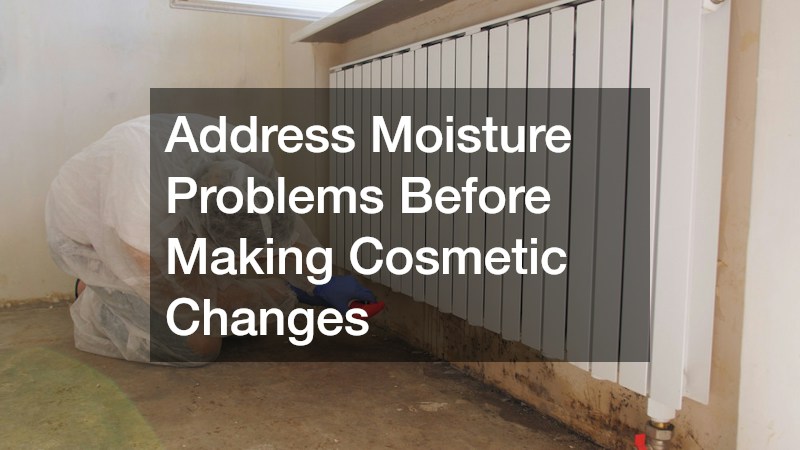
Moisture problems can undermine even well-planned interior improvements. Stains, odors, peeling finishes, damaged insulation, or visible growth may indicate that water or excess humidity is entering an area where it should not. Before painting, installing new flooring, or covering affected surfaces, homeowners should identify and correct the source of the moisture.
Attics are particularly important because roof leaks, poor ventilation, condensation, or damaged exhaust ducts can create conditions that support mold growth. Attic mold remediation may be necessary when an inspection confirms a mold problem that requires professional treatment.
Homeowners should also inspect bathrooms, basements, laundry areas, and spaces around windows or plumbing fixtures. Roof repairs, ventilation changes, plumbing work, insulation improvements, or HVAC adjustments may all play a role depending on the source. Taking care of these underlying conditions before decorative upgrades helps protect the money invested in new materials and prevents homeowners from covering up a problem that still needs attention.
Maintain Plumbing and HVAC Systems for Everyday Comfort
Few home systems affect daily comfort as consistently as plumbing and heating and cooling equipment. Faucets, toilets, showers, water heaters, drains, furnaces, air conditioners, and ventilation systems all need to function reliably for a home to feel convenient. Small problems can become disruptive quickly when they affect water access, drainage, or indoor temperature.
Plumbing contractors can help diagnose leaks, low water pressure, slow drains, aging fixtures, water heater concerns, and other plumbing issues. Homeowners planning kitchen or bathroom updates may also need plumbing work when changing fixture locations or replacing older supply and drain components. Coordinating this work before surfaces are finished can reduce the need to open walls or floors later.
HVAC services can support heating, cooling, airflow, and system maintenance. Routine inspections may help identify worn components, airflow restrictions, or performance concerns before they lead to larger disruptions. Homeowners should also replace filters according to equipment recommendations and keep supply and return vents clear of furniture or heavy dust buildup.
Comfort depends on how these systems work together. Excess humidity may affect how warm a room feels, while poor airflow can create temperature differences between spaces. Plumbing leaks can also contribute to moisture conditions that affect indoor materials. Regular maintenance and timely repairs can help homeowners preserve comfort while supporting the performance of other interior improvements.

Update Tile and Architectural Details for a Finished Look
Decorative materials can give a home character without requiring a full structural remodel. Tile is especially versatile because it can be used on floors, backsplashes, shower walls, fireplace surrounds, and other surfaces. Homeowners can visit local tile shops to compare colors, sizes, textures, and patterns in person before committing to a design.
Seeing samples under real lighting can make a difference. A tile that looks warm in a showroom may appear cooler under different bulbs or next to existing cabinets and countertops. Bringing samples home can help homeowners judge how materials interact with surrounding finishes before placing a large order.
Architectural details can also make plain rooms feel more intentional. Crown molding creates a transition between walls and ceilings and can complement traditional, transitional, or contemporary interiors depending on its profile. Homeowners should choose proportions that suit ceiling height and room size so the molding enhances the space without overwhelming it.
For a more distinctive ceiling feature, a domed ceiling kit can add architectural interest to an entry, dining room, hallway, or other focal area. Installation requirements vary, so homeowners should review structural conditions, lighting placement, and finish work before beginning. Decorative elements are most successful when they support the overall design rather than competing with one another.
Coordinating tile, molding, ceiling details, paint, and lighting can create a polished result. Even relatively small additions can make rooms feel more complete when materials and proportions are chosen with the rest of the home in mind.
Replace Flooring With Daily Use in Mind
Flooring has a major influence on both appearance and everyday maintenance. It runs through large portions of the home, affects acoustics and comfort underfoot, and must withstand constant traffic. Worn, uneven, or mismatched flooring can make rooms feel disconnected even when the walls and furnishings have been updated.
Whole home flooring installation services can help homeowners create a more consistent look across multiple rooms. Using one material throughout much of the house can improve visual flow, while carefully coordinated materials can define different areas without creating abrupt transitions. The best approach depends on the home’s layout, moisture exposure, household routines, and design preferences.
Material selection should account for more than appearance. Hardwood, engineered wood, tile, luxury vinyl, laminate, and carpet each have different maintenance needs, moisture tolerances, and installation requirements. Families with pets or children may prioritize scratch resistance and easier cleaning, while homeowners in quieter spaces may place more emphasis on warmth and softness.
The condition of the subfloor matters as well. Uneven areas, moisture damage, or structural movement should be addressed before new materials are installed. Proper preparation can improve the finished appearance and help prevent issues after installation.
Homeowners should also think about transitions, door clearances, stairs, and baseboards. Coordinating these details in advance can create a cleaner result and reduce last-minute changes. Flooring is a major visual element, so planning it alongside paint, cabinetry, and trim can help tie the entire interior together.

Coordinate Improvements for Better Long-Term Results
Home improvement projects are often easier to manage when homeowners consider how different trades and materials interact. Completing work in the wrong order can result in repeated labor, damaged finishes, or unnecessary delays. For example, addressing mold, plumbing, electrical, or HVAC concerns before installing new flooring and decorative finishes can protect completed surfaces from being opened or removed later.
Creating a project sequence also makes budgeting more manageable. Homeowners can separate essential repairs from optional design improvements and decide which projects should happen immediately and which can be scheduled later. This approach keeps cosmetic preferences from overshadowing underlying concerns that could affect safety, comfort, or long-term performance.
It can also be helpful to choose materials with future maintenance in mind. Durable flooring, washable paint, accessible plumbing components, replaceable filtration parts, and easy-to-clean tile can reduce ongoing work. Decorative additions should be selected with the same practical perspective so homeowners are not creating surfaces that are difficult to maintain.
Before work begins, homeowners should discuss timelines, access requirements, cleanup, and sequencing with the professionals involved. Some projects may require rooms to be emptied, utilities to be temporarily interrupted, or surfaces to cure before the next phase begins. Understanding these details makes it easier to plan around normal household routines.
A home does not need to be completely remodeled to feel substantially better. Strategic improvements to systems, surfaces, water, air, flooring, and architectural details can create noticeable changes in everyday living. When projects are planned in a logical order and selected for both appearance and function, homeowners can create a space that feels more comfortable, looks more cohesive, and performs more effectively for years to come.