
Key Takeaways
- Light gaps above curtains can reduce privacy, disrupt sleep, and make rooms less comfortable throughout the day.
- Identifying the source of light leakage is the first step toward choosing the most effective solution.
- Cornices, valances, wraparound rods, and ceiling-mounted curtain tracks can significantly reduce light entering from the top of windows.
- Blackout curtains and blackout liners provide better room darkening and can improve overall window performance.
- Layering curtains with shades or blinds often delivers the best combination of light control, privacy, and energy efficiency.
- Proper curtain installation, including higher rod placement and adequate curtain width, can greatly improve results.
- Small and affordable upgrades can make a noticeable difference in comfort, sleep quality, and room functionality.
Light control plays a major role in creating a comfortable home environment. While curtains are designed to provide privacy and reduce sunlight, many people discover that a surprising amount of light still enters through the gap between the curtain rod and the top of the window. This issue is especially noticeable in bedrooms where even small amounts of light can interfere with sleep quality.
Whether the light comes from streetlights, security lights, early morning sunshine, or neighboring homes, these gaps can make it difficult to create a dark and private space. Fortunately, there are several effective ways to block light from the top of curtains without completely replacing your window treatments.
From simple DIY solutions to professional upgrades, homeowners can improve sleep quality, increase privacy, and create a more comfortable indoor environment. This guide explores practical methods for blocking light from the top of curtains and improving overall window performance.
Why Light Leaks Occur Above Curtains

Many people assume blackout curtains will eliminate all incoming light. However, even the highest-quality blackout fabric cannot stop light that enters around the edges.
Common causes include:
- Standard curtain rod placement
- Insufficient curtain width
- Shallow curtain projections
- Window trim interference
- Improper curtain installation
The gap between the wall and curtain rod often allows sunlight to pass through and spread across the room.
Understanding the source of the problem makes it easier to select the right solution.
Why Blocking Light Matters
Light leakage may seem minor during the day, but it can have a significant impact on comfort and health.
Benefits of reducing unwanted light include:
- Better sleep quality
- Increased privacy
- Improved media viewing
- Reduced glare
- Enhanced comfort
- Better energy efficiency
Even small improvements can make a noticeable difference in how a room feels.
Evaluate the Existing Curtain Setup
Before making upgrades, examine your current window treatment system.
Check for:
- Gaps above the curtain rod
- Gaps at the sides
- Curtain length
- Fabric thickness
- Rod placement
Identifying the exact source of light leakage helps prevent unnecessary purchases.
A simple adjustment may solve the problem without requiring a complete redesign.
Install a Curtain Cornice
A cornice is one of the most effective ways to block light from the top of curtains.
A cornice is a decorative box-like structure mounted above the window.
Benefits include:
- Blocking overhead light
- Enhancing privacy
- Creating a finished appearance
- Adding architectural interest
Cornices can be custom-built or purchased ready-made.
Many homeowners appreciate the combination of function and style they provide.
Use a Window Valance
Valances offer another solution for covering gaps above curtains.
These decorative fabric treatments sit at the top of the window and help conceal curtain hardware.
Advantages include:
- Affordable installation
- Decorative appeal
- Additional light control
- Flexible design options
Valances are available in various styles, making it easy to match existing decor.
Mount Curtain Rods Higher
Improper rod placement often contributes to light leakage.
Installing curtain rods closer to the ceiling can reduce gaps and improve coverage.
Benefits include:
- Better light blocking
- Enhanced privacy
- Larger visual appearance
- More elegant design
Higher rod placement often improves both functionality and aesthetics.
Install Wraparound Curtain Rods
Traditional curtain rods leave gaps between the wall and curtain fabric.
Wraparound rods curve toward the wall at both ends.
Advantages include:
- Improved blackout performance
- Better privacy
- Reduced side light leakage
- Cleaner appearance
These rods work especially well with blackout curtains.
Choose Blackout Curtains
Not all curtains provide the same level of light control.
Blackout curtains use specialized materials designed to block sunlight.
Benefits include:
- Improved darkness
- Enhanced sleep quality
- Reduced glare
- Increased privacy
For best results, combine blackout curtains with other light-blocking techniques.
Fabric alone may not eliminate all light leaks.
Add Blackout Curtain Liners
If replacing curtains is not desirable, blackout liners can be an effective alternative.
These liners attach to existing curtains and provide additional light-blocking capability.
Advantages include:
- Lower cost than replacement
- Improved darkness
- Better insulation
- Flexible installation
This option works well for homeowners who already own decorative curtains they like.
Install Ceiling-Mounted Curtain Tracks
Ceiling-mounted tracks eliminate the gap between the curtain and ceiling.
By mounting curtains directly to the ceiling, light entry points are significantly reduced.
Benefits include:
- Superior blackout performance
- Modern appearance
- Enhanced privacy
- Greater coverage
This solution is particularly effective in bedrooms.
Use Magnetic Curtain Strips
Magnetic strips help secure curtains closer to the wall.
They can reduce gaps by:
- Holding fabric in place
- Preventing movement
- Limiting light penetration
This simple solution can improve the performance of existing curtains.
Apply Hook-and-Loop Fasteners
Hook-and-loop strips can help secure curtain edges and tops.
These products:
- Reduce gaps
- Improve blackout performance
- Are easy to install
They are often used in home theaters and bedrooms where maximum darkness is desired.
Layer Window Treatments
Layering multiple window treatments often provides the best results.
Popular combinations include:
- Blinds and curtains
- Shades and curtains
- Blackout curtains and valances
- Drapes and liners
Layered treatments improve both functionality and appearance.
They also provide flexibility throughout the day.
Install Cellular Shades
Cellular shades offer excellent light control.
Their honeycomb design helps:
- Reduce light leakage
- Improve insulation
- Increase energy efficiency
When paired with curtains, they create a highly effective light-blocking system.
Consider Roller Shades
Blackout roller shades fit closely against the window.
Advantages include:
- Minimal light penetration
- Modern appearance
- Easy operation
- Low maintenance
Combining roller shades with curtains often produces excellent results.
Improve Privacy at Night
Light-blocking improvements often enhance privacy as well.
Without adequate coverage, interior lighting can make rooms visible from outside.
Solutions that improve privacy include:
- Blackout curtains
- Layered treatments
- Ceiling-mounted systems
- Wraparound rods
Privacy improvements contribute to overall comfort and security.
Reduce Early Morning Wake-Ups
Many people experience sleep disruption from sunrise light entering through curtain gaps.
Improved light blocking can help:
- Maintain deeper sleep
- Reduce early wake-ups
- Support consistent sleep schedules
Bedrooms often benefit the most from these upgrades.
Create Better Home Theater Conditions
Light control is not limited to bedrooms.
Media rooms and home theaters also benefit from darker environments.
Reducing light leakage helps:
- Improve screen visibility
- Enhance viewing quality
- Reduce glare
Small upgrades can significantly improve entertainment spaces.
Improve Energy Efficiency
Window treatments affect more than just light.
They can also help regulate indoor temperatures.
Benefits include:
- Reduced heat gain
- Better insulation
- Lower energy costs
Well-designed window coverings contribute to a more comfortable home year-round.
Consider Seasonal Comfort
Different seasons create different lighting challenges.
During summer:
- Earlier sunrises
- Stronger sunlight
- Longer daylight hours
During winter:
- Increased heat loss
- Lower sun angles
Flexible window treatments allow homeowners to adapt throughout the year.
Select Colors Carefully
Curtain color can influence both style and functionality.
Dark-colored curtains often provide:
- Better room darkening
- Increased visual depth
Lighter colors offer:
- Brighter appearance
- Softer aesthetics
Color selection should balance practical needs and design goals.
Match Solutions to Room Function
Different rooms have different requirements.
Bedrooms
Prioritize:
- Darkness
- Privacy
- Insulation
Living Rooms
Focus on:
- Light control
- Flexibility
- Style
Home Offices
Balance:
- Natural light
- Glare reduction
- Privacy
The best solution depends on how the room is used.
Combine Comfort and Function
Small improvements often contribute to larger quality-of-life benefits.
Understanding how to increase home livability involves creating spaces that support comfort, privacy, sleep quality, and daily routines. Effective light control helps make rooms more functional while improving overall enjoyment of the home.
Practical upgrades often deliver benefits beyond their initial purpose.
Coordinate Window Improvements With Other Projects
Window treatment upgrades are often completed alongside larger home improvement projects.
For example, when planning roofing projects effectively, many homeowners evaluate overall energy efficiency and indoor comfort at the same time. Improvements to roofing, insulation, and window treatments can work together to create a more comfortable living environment.
Coordinated upgrades often provide better long-term results.
Avoid Common Light-Blocking Mistakes
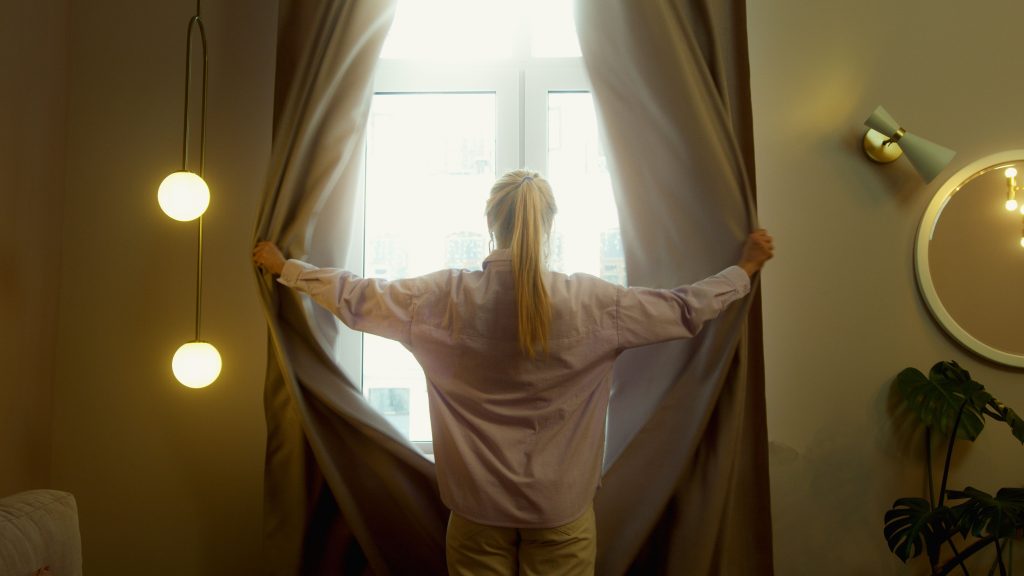
Several mistakes can reduce curtain effectiveness.
Common issues include:
- Curtains that are too narrow
- Rods mounted too low
- Inadequate overlap
- Thin fabrics
- Ignoring side gaps
Avoiding these problems can significantly improve performance.
Budget-Friendly Solutions
Not every improvement requires a large investment.
Affordable options include:
- Hook-and-loop strips
- Blackout liners
- Magnetic strips
- Higher rod placement
- DIY valances
Even simple changes can reduce light leakage considerably.
When Professional Installation Makes Sense
Some situations may benefit from professional help.
Examples include:
- Custom window treatments
- Ceiling-mounted systems
- Large windows
- Specialty blackout solutions
Professional installation often delivers a cleaner and more effective result.
Long-Term Benefits of Better Light Control
Investing in better light-blocking solutions can provide ongoing advantages.
Potential benefits include:
- Improved sleep
- Better privacy
- Enhanced comfort
- Increased energy efficiency
- Greater room functionality
Many homeowners find these improvements well worth the effort.
Final Thoughts
Light entering through the top of curtains can interfere with sleep, reduce privacy, and make rooms less comfortable. Fortunately, there are many effective ways to address the problem. Solutions such as cornices, valances, blackout curtains, wraparound rods, ceiling-mounted tracks, and layered window treatments can significantly reduce unwanted light.
The best approach often involves combining several strategies to eliminate gaps and improve overall performance. By selecting solutions that match the room’s needs, budget, and design style, homeowners can create darker, more private, and more comfortable spaces.
Whether the goal is better sleep, improved energy efficiency, or enhanced privacy, addressing light leakage above curtains is a practical home improvement that can deliver noticeable benefits every day.