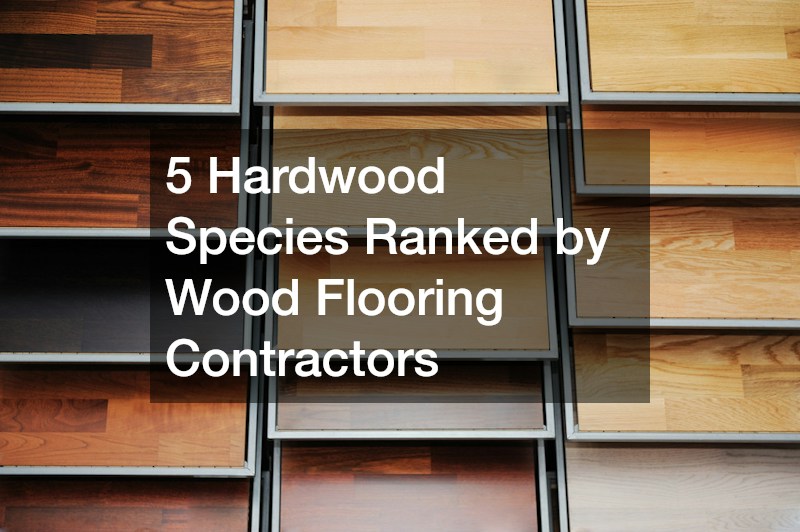
Selecting the right hardwood species is one of the most critical decisions in any residential or commercial flooring project. Professional wood flooring contractors evaluate wood species based on a balance of structural performance, visual appeal, material cost, environmental impact, and installation labor. Understanding how industry experts rank different domestic and imported hardwoods across these core categories empowers property owners to make informed, long-term investments.
1. Durability and Hardness Ratings
A wood species’ resistance to denting, scratching, and structural wear is primarily measured by the Janka Hardness Scale, which quantifies the force required to embed a 0.444-inch steel ball halfway into a wood sample:
-
Hickory (Janka: 1,820 lbf): Widely ranked by contractors as the most durable domestic hardwood. Its dense cell structure makes it exceptionally resistant to heavy foot traffic, falling objects, and pet claws.
-
Hard Maple (Janka: 1,450 lbf): Extremely dense with a tight grain, making it highly resistant to surface abrasions and denting. It is frequently specified for high-impact spaces like bowling alleys, gymnasiums, and modern kitchens.
-
White Oak (Janka: 1,360 lbf) & Red Oak (Janka: 1,290 lbf): Considered the industry benchmark for residential flooring durability. White oak features a closed-cell structure (tyloses) that renders it more moisture-resistant than red oak.
-
Black Walnut (Janka: 1,010 lbf) & American Cherry (Janka: 950 lbf): Comparatively softer domestic species. While prone to denting in high-traffic zones, they remain highly prized for low-impact formal spaces due to their stability.
2. Aesthetic Appeal and Visual Characteristics
-
Warmth and Rich Tones: American Cherry is famous for its photosensitive aging process, naturally darkening from a light pinkish-red to a deep, lustrous mahogany-red over time. Black Walnut offers rich chocolate and purplish-brown hues with smooth, luxurious graining that rarely requires staining.
-
Distinctive Grain Patterns: White Ash features prominent, cathedral-like graining similar to red oak but with lighter, creamier tones. Hickory boasts dramatic contrast between pale white sapwood and dark brown heartwood, creating a striking rustic appearance.
-
Subtle and Modern Finishes: Hard Maple presents a clean, uniform grain that suits contemporary, minimalist interiors, though its dense pores make it challenging to stain evenly without pre-conditioners.
3. Material Costs and Investment Value
Contractors categorize hardwood species into distinct cost tiers based on raw lumber availability, milling complexity, and market demand:
-
Cost-Effective Options: Domestic Red Oak and White Oak offer the best balance of affordability, widespread availability, and longevity. Their lower material cost leaves more room in the project budget for high-grade finishes or custom staining.
-
Mid-Range Selections: Hard Maple, White Ash, and Hickory sit slightly higher in price due to their density and specialized machining requirements.
-
Premium Tiers: Black Walnut and American Cherry command premium prices due to limited harvesting supplies and high demand in luxury residential markets. Installing premium domestic hardwoods significantly boosts a property’s overall resale appraisal value.
4. Environmental Impact and Sustainability
-
Certified Sourcing: Choosing domestic species certified by the Forest Stewardship Council (FSC) ensures the timber is harvested under strict ecological standards that protect forest biodiversity, prevent deforestation, and preserve soil health.
-
Carbon Footprint and Locality: Domestically harvested oaks, maples, and ash sourced within North America carry a substantially lower transportation carbon footprint compared to imported exotic hardwoods.
-
Rapidly Renewable Alternatives: Strand-woven bamboo, while technically a grass rather than a hardwood, offers a rapidly renewable alternative with high Janka hardness ratings, though manufacturing adhesives must be screened for low formaldehyde emissions.
5. Installation Workability and Labor Efficiency
-
High Workability (Red & White Oak): Preferred by contractors for straightforward installations. Oak holds nails exceptionally well, sands smoothly, and accepts stain more evenly than almost any other domestic species.
-
Challenging Density (Hickory & Hard Maple): Because of their extreme hardness, hickory and maple require sharp carbide tooling and precise pneumatic nailing to prevent board splitting or surface burning during cutting.
-
Brittle or Delicate Species: Softer species like walnut machine cleanly with hand tools but require extra care during board placement to avoid surface marring before the protective topcoat is applied.
Evaluating hardwood species through the combined lenses of durability, aesthetics, material cost, sustainability, and installation labor allows property owners to select the ideal floor for their specific space. While oak remains the reliable industry gold standard for general versatility, species like hickory deliver maximum dent resistance, and walnut provides unmatched visual luxury. Consulting with experienced wood flooring contractors ensures your chosen species is correctly acclimated, installed, and finished for generations of beauty and performance.
Related Posts

What is a Power Transformer and How do They Work?
Power transformers are vital components of the electrical grid, responsible for stepping up or stepping…

Budget Smart, Grow Fast 8 Low Cost HVAC Marketing Strategies That Will Dominate 2025
Marketing an HVAC business does not have to drain your budget. In fact, some of…

Tips for Working with Your Electrical Contractor
Working with an electrical contractor can be a smooth and productive experience if approached with…