Pest control services are vital for maintaining a safe and healthy environment. This guide covers pest control processes, emphasizing the importance of professional assistance for effective management.
It highlights the roles of pest control professionals, the types of methods used, and the benefits of regular inspections and treatments. By understanding these services, individuals can ensure their homes and businesses remain pest-free.
What are Pest Control Services?
Understanding the Scope of Pest Control
Pest control services manage and eliminate pests from various settings. They focus on both eliminating current infestations and preventing future ones. Technicians assess infestation levels and implement measures to ensure safety and property integrity. The scope of services usually includes detailed assessments and customized plans tailored to each unique situation.
Types of Pest Control Methods
Methods include chemical, biological, mechanical, and electronic solutions. Chemical involves pesticides, biological uses natural predators, mechanical includes traps and physical removal, and electronic uses sound waves. Integrated Pest Management (IPM) combines methods for sustainable control. Choosing the right method depends on the pest type and the specific circumstances of the environment.
The Importance of Professional Assistance
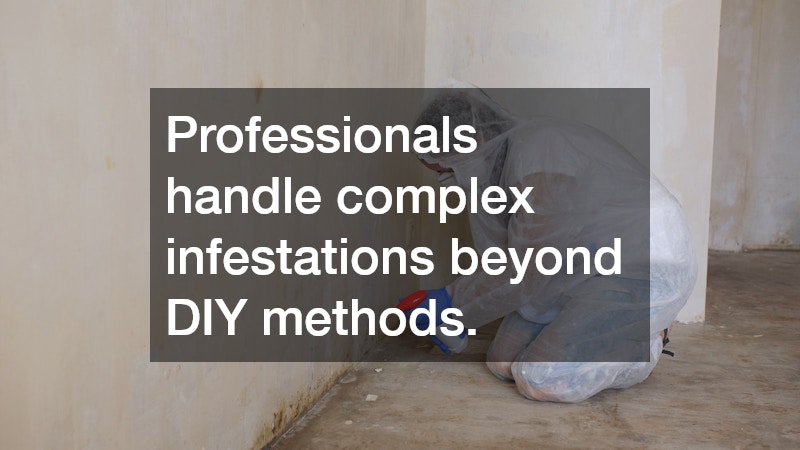
Professionals handle complex infestations beyond DIY methods. They use potent, licensed products, provide accurate pest identification, and ensure legal compliance. Professional services offer both immediate and long-term solutions. Having professionals involved also ensures that safety measures are prioritized for occupants and the environment.
Common Pests Managed
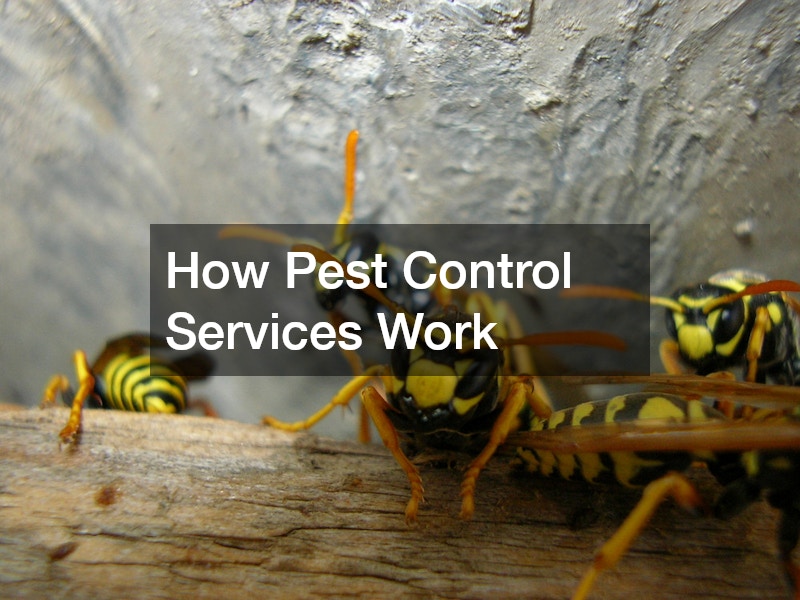
Managed pests include insects like ants and termites, and rodents like mice. Each pest poses unique challenges, requiring specific control measures to prevent damage and health risks. A thorough understanding of pest behavior aids in developing effective management strategies.
Benefits of Regular Pest Control
Regular pest control maintains hygiene and safety, identifies infestations early, and prevents pests from becoming costly to manage. It extends building lifespan and provides peace of mind. Routine checks can often prevent minor issues from turning into major infestations.
How Do Professionals Identify Pest Problems?
Inspection Techniques Used
Professionals use various techniques, like visual inspections and special equipment, to diagnose pest problems and devise treatment strategies. These inspections are crucial for identifying the source and spread of infestations effectively.
Signs of a Pest Infestation
Signs include droppings, nests, and strange noises. Observing these early allows prompt professional engagement to mitigate damage. Regular monitoring can help detect these signs before they become severe.
Assessing the Damage
Professionals assess damage to guide treatment and necessary repairs, considering the pest species and extent of harm. This assessment is critical for prioritizing areas that need immediate intervention.
Use of Technology in Pest Detection
Technology enhances detection, using digital tools and infrared to accurately find pests. It allows precise control measures with minimal impact. Such advanced tools assist in strategies that are both effective and environmentally conscious.
Determining the Best Course of Action
The strategy considers pest type, severity, and conditions. Plans may include baiting, chemical treatments, and exclusion, aligning with client preferences and safety. The adaptability of these plans ensures that they meet the changing needs of the environment and its inhabitants.
What Methods Are Used in Pest Control?
Chemical Pest Control Solutions
Chemical control uses synthetic pesticides for quick pest reduction. Professionals ensure safe application and minimal ecosystem impact. These solutions often act faster but require careful handling and application to avoid negative side effects.
Biological Pest Control Methods
Biological methods introduce natural predators for sustainable control, integrating with ecosystems and promoting balance. This approach supports biodiversity while effectively controlling pest populations.
Mechanical Pest Control Strategies
Mechanical strategies use traps and barriers to physically manage pests, offering non-toxic solutions as part of integrated management. These methods are often favored for their ability to manage pests without chemical intervention.
Electronic and Ultrasonic Devices
Electronic devices use sound waves to deter pests, offering a chemical-free alternative. Effectiveness depends on proper placement and maintenance. Such technology is increasingly popular for its minimal environmental footprint.
Integrated Pest Management (IPM)
IPM combines strategies for sustainable control, considering pest biology and environmental factors to reduce chemical use. Implementing IPM systems leads to long-term management solutions that are both effective and efficient.
Understanding pest control services helps in protecting environments from pest issues. Regular management prevents infestations, minimizes damage, and ensures effective, legal pest control. Embracing integrated strategies provides long-term results and peace of mind. Continual adaptation and learning are key elements in keeping pace with evolving pest behaviors and management techniques.