Home remodeling projects are an exciting opportunity to transform your living space, whether you are updating your kitchen, adding a new room, or enhancing outdoor areas. Many homeowners focus on interior design, fixtures, and finishes while overlooking the importance of the roof. Yet, the roof is a critical element that protects the home from weather, impacts the structural integrity, and even affects energy efficiency. Coordinating roof work with remodeling projects ensures that the entire home upgrade process runs smoothly and efficiently.
Without proper coordination, roofing projects completed after remodeling can result in mismatched materials, water leaks, or even damage to newly renovated areas. For example, a new addition built without considering the existing roof may lead to misaligned rooflines or drainage issues. Conversely, replacing the roof before or during remodeling provides the perfect opportunity to integrate design, improve insulation, and enhance curb appeal, ultimately increasing the value and longevity of the home.
Start With a Detailed Assessment of Your Home’s Current Roof
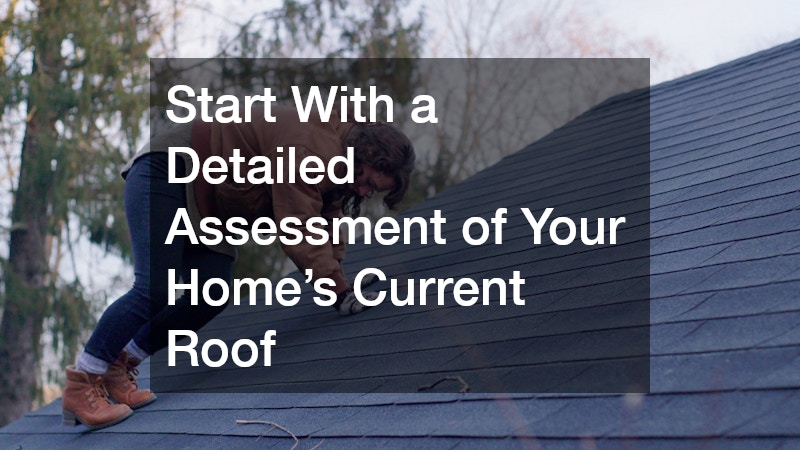
Before committing to remodeling projects, a detailed evaluation of your current roof is critical. Many homeowners assume a roof is in good condition if there are no visible leaks or missing shingles. However, underlying issues like weakened decking, worn underlayment, or aging flashing can cause serious problems if left unaddressed during renovations. A thorough assessment helps identify potential repair needs, ensuring that roof-related surprises do not derail your remodeling timeline.
A roofing company can conduct an inspection, identifying areas of concern such as water damage, structural weaknesses, and ventilation problems. This professional assessment provides a foundation for planning the rest of your home upgrades. Addressing issues early prevents costly repairs later and ensures that your remodeling efforts do not compromise the roof’s integrity.
To get the most value from a roof inspection, consider these steps:
- Schedule a roof inspection before finalizing remodeling plans.
- Document existing damage with photos and notes for reference.
- Discuss potential repairs with your remodeling team to avoid conflicts.
- Consider the lifespan of your roof when planning long-term projects.
- Ask the roofing company to provide recommendations on improvements that could complement your remodeling goals.
A proper assessment sets the stage for a smoother project and protects both the home and your investment in remodeling.
Hire the Right Professionals for Roofing and Remodeling
Selecting the right experts for roofing and remodeling projects is essential for success. Roofing contractors bring specialized knowledge of materials, installation techniques, and building codes, while remodelers understand interior layouts, structural adjustments, and aesthetic finishes. Coordinating both ensures that each aspect of your project complements the other, rather than creating conflicts or delays.
Hiring a roofing contractor early allows them to review remodeling plans, provide input on roof design adjustments, and identify areas that may require reinforcement. Likewise, involving remodeling professionals helps ensure that interior and exterior changes, like wall expansions or window replacements, are compatible with the roof structure. Collaborating with both teams from the outset streamlines project management and prevents last-minute complications.
When hiring professionals, these guidelines will help you assemble a reliable team:
- Verify licenses, insurance, and references for both contractors and remodelers.
- Clearly define responsibilities to avoid overlapping work.
- Ask about past projects that included both roofing and remodeling components.
- Schedule a joint consultation between the roofing contractor and remodeling team.
- Consider hiring a project manager if multiple trades are involved to maintain consistent communication.
Working with the right professionals helps homeowners avoid mistakes, reduces stress, and ensures that remodeling and roof upgrades enhance the home’s value.
Coordinate Timelines Between Roof Work and Remodeling Projects

Proper timing is essential when combining roof work with remodeling. Poorly sequenced projects can lead to delays, extra costs, or even damage to newly renovated areas. Many homeowners underestimate how interdependent these tasks can be, especially when dealing with exterior renovations like siding, windows, or home extensions.
A local roofer can assist with scheduling, taking into account weather conditions, labor availability, and the duration of roofing work. Coordinating these timelines allows you to sequence tasks efficiently, such as completing roof repairs before exterior painting, so that construction debris doesn’t damage the new roof or finished surfaces. Early planning also enables you to anticipate potential challenges, such as needing additional scaffolding or protective covers for fragile areas during the remodel.
To keep both projects on track, consider these scheduling strategies:
- Create a detailed project calendar highlighting key milestones for both roofing and remodeling tasks.
- Plan roof installation or repairs before exterior painting or siding work.
- Allow buffer days for potential weather-related delays.
- Maintain regular communication with all contractors to update schedules as needed.
- Consider temporary protective measures like tarps to safeguard remodeling areas while roof work is ongoing.
Efficient timeline coordination reduces project stress, prevents costly mistakes, and ensures that both roof and remodeling projects finish on schedule.
Understand Material Requirements and Compatibility
Selecting materials that are compatible between the roof and the remodeled areas is critical for a cohesive final appearance and long-term durability. A roof that clashes with siding, paint, or window trims can detract from the overall look of your home, while incompatible materials may lead to future maintenance problems.
Roof installers can provide recommendations for shingle types, colors, and materials that will complement your remodeling project. They can also advise on ventilation, insulation, and waterproofing needs, which are essential for maintaining a safe, energy-efficient home. Coordinating material choices between roof and remodel ensures that new installations, such as gutters or extensions, integrate seamlessly with the existing structure.
Here are some key steps to ensure material compatibility:
- Compare roofing materials, such as asphalt shingles, metal panels, or tiles, based on durability and design.
- Discuss material choices with your remodeler to ensure color and style consistency.
- Consider energy-efficient options to complement insulation improvements during remodeling.
- Confirm installation requirements to prevent delays or damage during remodeling.
- Evaluate warranties and longevity for all chosen materials to protect your investment.
Thoughtful material coordination results in a visually appealing home while avoiding costly mismatches and repairs later.
Get Accurate Estimates Before Work Begins

Budgeting is a crucial part of managing multiple home improvement projects. Roof estimates provide a detailed breakdown of costs for materials, labor, and any additional services, allowing homeowners to incorporate them into their remodeling budget. Without clear estimates, you may encounter unexpected expenses, which can stall remodeling or force compromises on other project elements.
Obtaining multiple quotes helps homeowners understand the market rate for roofing work and identify the best balance of quality and cost. Transparent roof estimates also enable remodeling professionals to adjust their plans accordingly, ensuring both projects remain financially viable.
Before starting, these cost management steps can help keep your project on budget:
- Request multiple estimates from reputable roofers to compare pricing and services.
- Break down costs for materials, labor, and additional services.
- Incorporate roof estimates into the overall remodeling budget.
- Allow a contingency fund for unexpected repairs discovered during construction.
- Review estimates carefully to ensure nothing is overlooked, such as permits or disposal fees.
By planning financially, homeowners can confidently tackle roofing and remodeling without surprises or delays.
Integrate Roofing Services Into the Overall Project Plan
Roofing services, including repair, replacement, maintenance, and gutter installation, are most effective when integrated with the broader remodeling plan. Coordinating these services ensures that each step enhances, rather than interferes with, the remodeling process.
For example, scheduling gutter installation while exterior walls are being renovated avoids repeated scaffolding setups, which saves time and labor. Similarly, combining roof inspections or minor repairs with ongoing remodeling ensures that all areas of the home are protected, reducing the risk of damage from construction debris or water infiltration.
Consider these approaches to integrate roofing services efficiently:
- Align roofing services with exterior remodeling tasks like siding, painting, or landscaping.
- Use professional services to install protective measures during remodeling.
- Schedule routine roofing maintenance immediately following remodeling completion.
- Communicate service schedules clearly to all contractors.
- Monitor progress to ensure that both roof and remodeling work remain on track.
Integrating roofing services maximizes efficiency while protecting your home and remodeling investment.
Add Retractable Awnings for Functional Outdoor Spaces

Retractable awnings are an excellent way to enhance outdoor living areas while adding shade and protection from the elements. Installing these features alongside roofing projects allows homeowners to integrate them seamlessly without risking damage to the roof or surrounding structures.
Timing the installation correctly ensures that awnings are positioned safely, taking into account roof overhangs, gutters, and drainage. This prevents water pooling, structural stress, or interference with roof repairs. Collaborating with roofing professionals ensures that awnings are mounted correctly and maintain long-term durability.
These tips can help you plan your awning installation effectively:
- Evaluate outdoor spaces for optimal awning placement and sun exposure.
- Choose durable materials that match your roof and exterior finishes.
- Schedule installation after major roof work to prevent accidental damage.
- Consult with roofing contractors to verify structural support and waterproofing.
- Consider retractable models for flexibility and seasonal adjustments.
Proper planning and installation of awnings enhance the usability and aesthetic appeal of outdoor spaces, complementing your overall home upgrade.
Plan Home Extensions With Roofing Considerations in Mind
Adding a home extension increases the load on your existing roof and may require additional structural adjustments. Planning roof integration with the extension ensures a cohesive design and prevents future issues such as leaks, misaligned rooflines, or drainage problems.
Roof installers can advise on pitch, drainage, and materials suitable for the extension. Early collaboration allows homeowners to address potential challenges before construction begins, ensuring a seamless transition between the existing roof and the new addition.
To ensure your extension works with your roof:
- Involve roof installers during the design phase of your home extension.
- Assess structural needs to support the new roof section.
- Match roofing materials and style with the existing structure.
- Consider energy efficiency and ventilation for the added space.
- Confirm compliance with local building codes for extensions.
Well-coordinated extensions create functional, aesthetically pleasing additions that integrate perfectly with your roof and remodeling vision.
Work Closely With Your Home Builder for Seamless Execution
A home builder serves as the central coordinator between roofing, remodeling, and additional upgrades. Close collaboration ensures that projects stay on schedule, meet quality standards, and adhere to local building codes.
Regular check-ins with the home builder, roofing team, and remodelers allow for timely resolution of issues, such as design changes or material delays. This coordinated approach minimizes costly mistakes and ensures that the project progresses efficiently.
To facilitate smooth execution, follow these coordination strategies:
- Hold weekly or biweekly project meetings to review progress.
- Maintain a shared timeline with all contractors and professionals.
- Use digital tools to track updates, photos, and approvals.
- Ensure the home builder coordinates any inspections required for roofing and remodeling.
- Keep open lines of communication for adjustments to timelines or materials.
Strong collaboration with a home builder ensures that all aspects of the project, from roofing to remodeling, work in harmony.
Maximize the Value of Your Remodel by Coordinating All Upgrades
Coordinating roof upgrades with remodeling projects maximizes both functionality and aesthetic value. A well-integrated project improves energy efficiency, enhances curb appeal, and protects structural integrity. Completing all improvements together reduces future maintenance costs and avoids repeated construction disruptions.
Final inspections and documentation ensure that all work meets expectations. Warranties for roofing and remodeling materials provide peace of mind and protect your investment. Planning for future maintenance ensures that your home remains safe, efficient, and visually appealing for years to come.
To get the most value from your coordinated project, consider these steps:
- Conduct a thorough inspection with both roofing professionals and remodelers.
- Review warranties for materials and workmanship to protect your investment.
- Schedule routine maintenance for both the roof and remodeled areas.
- Keep records of project details for future reference or resale purposes.
- Consider energy efficiency upgrades, such as insulation or reflective roofing, during remodeling.
Coordinated projects deliver long-term value, comfort, and functionality, making your remodeling investment worthwhile.
Successfully coordinating roofing services with home remodeling projects requires careful planning, communication, and professional guidance. Assessing the roof, hiring qualified experts, aligning schedules, and integrating materials ensures efficiency and long-term durability.
From adding retractable awnings to planning home extensions, thoughtful coordination enhances both functionality and aesthetic appeal. By taking a proactive approach, homeowners can protect their investment, streamline construction, and enjoy a remodeled home that is both beautiful and structurally sound. With proper planning, your upgrades will deliver lasting value, comfort, and peace of mind.