This section introduces the importance of maintaining a functional sprinkler system for homeowners, highlighting its role in lawn care and water efficiency. A well-maintained sprinkler system ensures that your lawn receives adequate hydration, which is crucial for the health and appearance of your garden. Moreover, efficient sprinkler systems are vital for conserving water and reducing your utility bills. Regular maintenance can prevent issues that might cause water wastage, thereby contributing to environmental sustainability. In addition, having a reliable system saves homeowners time and the effort involved in manual watering, leaving more time to enjoy the lush, green outdoor space.
1. How to Identify Common Sprinkler Problems?
1.1 Signs of a Malfunctioning Sprinkler System
The visual and performance indicators that suggest your sprinkler system may have issues can range from subtle to obvious. One common sign is inconsistent water distribution across the lawn, where some areas remain dry while others are overly soaked. This could point to clogged nozzles or other blockages within the system. Another indicator is unusually high water bills, which might result from leaks or broken pipes. If you notice a decrease in water pressure, it could signal a problem with the water source or an obstruction in the system.
In addition to the visible signs, strange noises while the system is operating, such as hissing or popping sounds, could also signify problems. These might indicate that the sprinklers are operating under too much pressure or that components are worn out. Observing pools of water or soggy patches on the lawn even after the system has been turned off can suggest a hidden leak. Furthermore, frequent cycling on and off can mean the sprinkler timer is malfunctioning or set improperly. Identifying these issues early can prevent more significant damage to both the system and the landscape.
Taking a proactive approach by observing the system during operation can also help detect issues. Often, homeowners can perform simple tests such as opening a sprinkler head to clean it if water isn’t spraying correctly. By regularly monitoring the condition of the sprinkler heads and the surrounding area, homeowners can uphold the system’s efficiency. It is also beneficial to periodically walk through each zone of the system, checking for sprinkler heads that are not rotating as they should or ones that are stuck in the soil. Prevention is always better than repair, and vigilance is key.
2. Is It Better to Repair or Replace Your Sprinkler System?
2.1 Cost-Benefit Analysis of Repairs vs. Replacement
When faced with a malfunctioning sprinkler system, a cost-benefit analysis is crucial to decide between repairs and replacement. Initially, evaluating the extent of the damage and the age of the system can help guide your decision. Older systems that have undergone multiple repairs may not function efficiently despite the repairs, leading to recurring issues. In contrast, repairing newer systems, especially those with minor faults, can be more cost-effective than a full replacement. Additionally, understanding the cost implications of individual parts, labor, and potential additional issues is essential.
It’s also important to consider technological advancements in irrigation systems when making your decision. Modern sprinkler systems come with enhanced features such as smart controllers and better water-use efficiency, which can contribute to long-term savings on water bills. While the upfront cost of installing a new system can be significant, the potential savings on water and repairs can outweigh these initial expenses over time. Furthermore, newer systems typically come with warranties, providing peace of mind and safeguarding against future costs.
On the other hand, repairing an existing system might involve a smaller initial expenditure and less disruption to your lawn. It allows for immediate resolution of issues without waiting for a new system’s install process. However, this can sometimes be a false economy if the repairs need to be repeated or the system does not perform efficiently. Ultimately, performing a comprehensive cost-benefit analysis, which includes both financial and operational factors, is paramount when deciding whether to repair or replace your sprinkler system.
3. What Preventive Maintenance Should be Conducted?
3.1 Routine Checks to Prevent Major Repairs
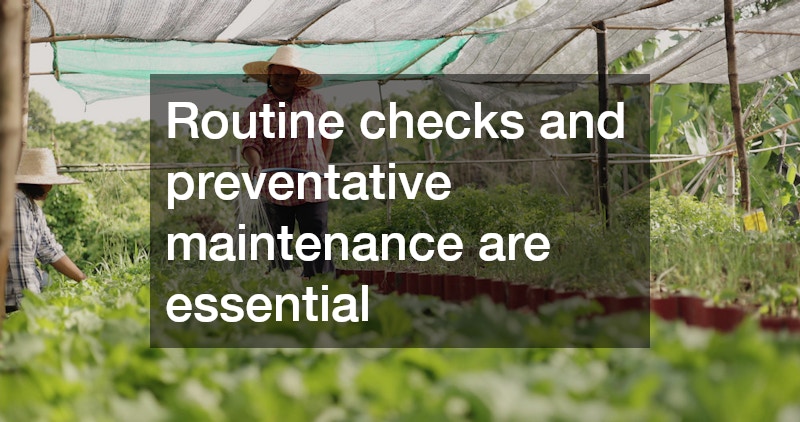
Routine checks and preventative maintenance are essential to keep the sprinkler system functional and efficient, thereby avoiding major repairs. A simple but effective practice is to conduct bi-monthly inspections, focusing on the sprinkler heads and their alignment. Ensuring that they are not obstructed and are aimed correctly can prevent issues of uneven watering distribution. Additionally, checking for leaks by observing the water meter when the system is off can help identify hidden issues. These proactive measures help maintain optimal system performance and reduce water waste.
Regularly testing the system’s pressure levels is another beneficial maintenance task. Pressure that’s too high can cause damage to pipes and sprinkler heads, while low pressure may affect water distribution. Keeping a pressure gauge handy and calibrating the system valves to maintain proper pressure can prevent extensive damage. Additionally, as part of the routine maintenance, it’s worth inspecting the timers and control systems to ensure they are functioning correctly, avoiding over or underwatering scenarios, which can adversely affect lawn health.
By investing time and resources into maintaining and diagnosing sprinkler systems, homeowners can foster a lush, green lawn while optimizing water use. Making informed decisions about sprinkler repairs versus replacements helps manage costs effectively and ensure the system operates at its best. Regular maintenance through routine check-ups and seasonal adjustments prevents minor issues from escalating into costly repairs, protecting both the system investment and lawn health. In essence, proactive care and a strategic approach to sprinkler system management enhance its longevity, efficiency, and reliability, ultimately contributing to a more sustainable and enjoyable outdoor space.