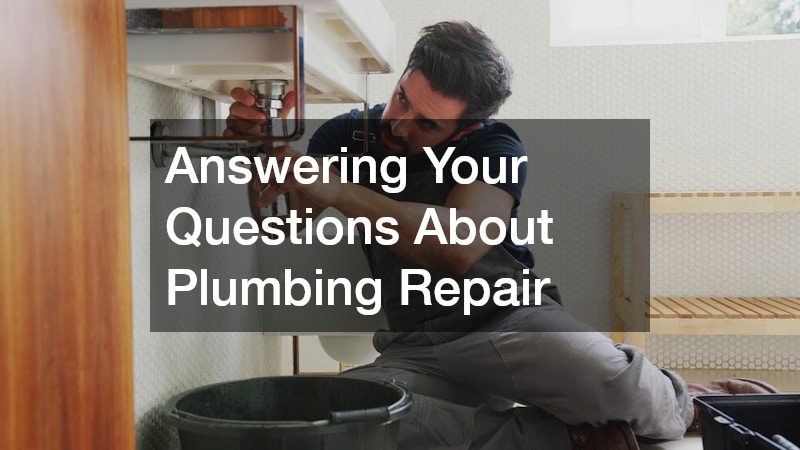
In this article, we will delve into some of the most pressing questions people have about plumbing repair, providing clear and practical answers to each. Plumbing repair can seem daunting, but with the right knowledge, many common issues are manageable by homeowners themselves. Understanding the fundamentals can save you time and money, and prevent small problems from turning into major headaches.
This guide covers the signs of plumbing trouble, simple repair methods, and when to call in a professional. By the end, you’ll have a solid foundation to tackle various plumbing challenges effectively.
What are the Common Signs of Plumbing Issues?
Recognizing the signs of plumbing issues early can prevent further damage and more costly repairs. Common indicators include slow drains, unexplained wet spots on walls or floors, and reduced water pressure. Strange noises, such as banging or gurgling coming from drains or pipes, are also red flags. An unexpected increase in your water bill might suggest a hidden leak. Observing these signs can help you address plumbing problems before they escalate into more serious situations.
Drips and leaks are often the first and most noticeable signs. You may find that a faucet continues to drip despite being turned off, or that pipes appear damp. If you notice warm spots on floors or walls, it could indicate a slab leak, particularly in homes with concrete foundations. Mold growth, accompanied by a musty smell, not only signals water leakage but also poses health risks. Investigating as soon as these indicators appear is crucial for effective plumbing repair.
Water discoloration is often overlooked but can tell a lot about your plumbing’s health. Rust-colored water might indicate corrosion in your iron or steel pipes. When left unchecked, corrosion can cause pipes to burst unexpectedly. Persistent water discoloration should prompt an immediate investigation to determine its source. Recognizing these early warning signs and taking timely action can save you from extensive water damage and costly repairs.
How Can I Fix a Leaky Faucet?
Fixing a leaky faucet is a common plumbing issue that can usually be resolved with some basic tools. The initial step involves identifying the type of faucet you have—common types include compression, cartridge, ball, and ceramic disk. After turning off the water supply, take apart the faucet, carefully laying the parts out in order. Often, replacing the washers, gaskets, or seals within the faucet will resolve the issue. If parts appear worn or damaged, parts can usually be purchased at a local hardware store.
Tightening the faucet components can sometimes stop leaks, especially around the base or handle. When dealing with leaks, cleaning the components can also make a significant difference—mineral deposits can cause seals to fail. If taking apart your faucet seems daunting, there are many instructional videos and guides available online. Following a step-by-step guide can make cleaning and replacing parts easier and more accessible. Remember, even minor fixes should be performed carefully to avoid causing further damage.
If the leak persists after all parts have been checked or replaced, the problem might lie deeper. In some cases, the faucet itself might need replacement, particularly in older units showing signs of wear beyond repairable parts. It’s important to choose quality replacements or new units to ensure durability. Keeping your faucet well-maintained and repaired promptly protects you from the potential for more complex plumbing problems. Regular maintenance can extend the lifespan of your taps and conserve water resources.
What Should I Do When My Pipes Are Clogged?
Clogged pipes are a common household nuisance often causing slow drainage and unpleasant odors. The first line of defense is typically a plunger, which can effectively dislodge minor blockages with suction and pressure. Additionally, pouring a mixture of baking soda and vinegar down the drain occasionally can help clear out buildup from within pipes. For tougher clogs, you might need to use a plumbing snake or auger, tools designed to reach deep into pipes and remove obstructions. Rather than relying on chemical drain cleaners which can damage pipes over time, these physical methods are safer solutions.
Preventive measures play a crucial role in maintaining free-flowing pipes. Regularly removing hair and debris from sink stoppers, and using screens or stoppers in drains can catch fragments before they enter the pipes. Remember not to pour grease or fat down the sink, as these can solidify and form stubborn clogs. Setting up a schedule for regular pipe maintenance is not only advisable but essential in extending their lifespan and preventing frequent clogs. Natural remedies and tools can often quickly resolve minor blockages without expensive repairs.
Knowing when to call a professional is a critical part of clog management. If multiple drains are slow or toilets aren’t flushing properly, this could indicate a larger issue with your sewer line. Persistent or recurring clogs might require a camera inspection to detect breaks or significant blockages. Experts equipped with specialized tools can remove stubborn blockages without causing damage to the pipes. An evaluation by a plumber can prevent recurring clogs and potential damage to your home’s plumbing system.
How Do I Unblock a Toilet?
Unblocking a toilet is a task most homeowners will face at some point. The quickest and easiest method is using a plunger to create suction and push the blockage through. Make sure to use a high-quality plunger designed for toilets, as it has a flange that fits into the drain opening. If plunging fails, a toilet auger can reach deeper blockages. This tool is specifically designed with a flexible metal coil to maneuver through the curves in the toilet’s plumbing.
For stubborn blockages, hot water and detergent can help to dissolve softer clogs. Pour hot water—not boiling as it may crack the porcelain— into the bowl after adding a generous amount of dish soap. Allow it to sit for several minutes; if the water level lowers, try flushing gently. If overflows are a concern, avoid excessive flushing, which can lead to spills. This combination not only reduces blockage but also helps clean the toilet’s interior more effectively than chemicals.
If neither of these methods proves successful, the issue might warrant professional attention. Persistent blockages can indicate a deeper problem, such as an obstruction in the main sewer line, which can lead to waste backups or water damage. Professional plumbers may employ hydro jetting, a high-pressure water stream method, to clear pipe blockages without chemicals. This approach is more environmentally friendly and prevents future blockages as it thoroughly cleans the pipe walls. With professional intervention, not only is the problem resolved, but they can also provide advice on future prevention.
When Should I Replace My Pipes?
Understanding when to replace pipes is essential to ensuring a safe and reliable plumbing system. A general rule of thumb is to have a professional inspection of older pipes, particularly those over 40 years old. Pipes can wear down due to age, material type, or environmental factors, leading to leaks or decreased water quality. Discoloration in water, unusual noises, or low water pressure are signs it might be time to investigate further. Replacing pipes before a catastrophic failure can save you from significant water damage and costly repairs.
Materials play a significant role in a pipe’s lifespan—copper, PVC, and PEX generally last longer under optimal conditions than galvanized steel or lead pipes. If your home still has galvanized steel or lead pipes, replacement becomes more urgent due to health and safety concerns. Modern materials are not only safer but more efficient, providing improved water flow and better durability. Planning updates as part of regular home maintenance can avoid emergency situations in the future. Addressing these issues proactively protects both your property’s value and your family’s health.
Pressure tests and camera inspections are tools plumbers use to determine the health of your plumbing system. These evaluations provide insight into potential trouble spots that aren’t visible to the naked eye. Regular maintenance checks and planned replacements based on these insights are integral to long-term peace of mind. Hiring experienced professionals ensures the job is done correctly, preventing further issues from improperly installed or inadequate quality pipes. Understanding and managing your plumbing’s lifespan helps maintain your home’s safety and functionality.
By understanding these key aspects of plumbing repair, you can tackle common issues with confidence and know when to seek professional help to maintain a functional plumbing system. Equipping yourself with the knowledge of signs and simple fixes can save time and resources and avert emergency situations. Maintaining an updated system and conducting regular checks ensures longevity and efficiency, reducing disruptions to your home life. Whether fixing a leaky faucet, unclogging a drain, or knowing when to replace old pipes, the right approach makes a substantial difference. This knowledge empowers homeowners to engage with their home’s plumbing proactively and responsibly.