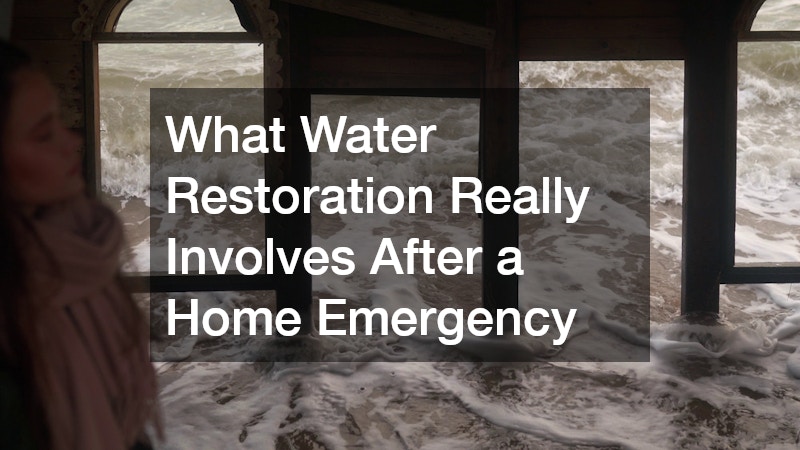
Water damage can happen quickly and often without warning. Burst pipes, appliance failures, roof leaks, or flooding can introduce large amounts of water into a structure in a short period of time. Once water enters a building, it begins affecting flooring, walls, insulation, and structural materials almost immediately.
Water restoration is the process of removing moisture, drying affected areas, and returning the property to a safe, usable condition.
Why fast action is important
Time is a major factor in water damage situations. The longer water remains in place, the greater the risk of structural deterioration, material breakdown, and microbial growth.
Porous materials such as drywall, carpet, and wood absorb water quickly, making early intervention critical.
Delays can also increase the overall cost of repairs, as more materials may need to be replaced rather than restored.
Initial assessment and inspection
Water restoration typically begins with a full inspection of the affected area. Technicians evaluate the source of the water, the category of water involved, and the extent of the spread throughout the property.
Water is generally classified into categories based on contamination level. Clean water from a supply line is treated differently than gray water from appliances or black water from sewage or flooding. This classification helps determine the appropriate cleanup approach and safety measures.
Water removal and extraction
Once the assessment is complete, the next step is water extraction. Standing water is removed using pumps, vacuums, and other specialized equipment designed for large-scale moisture removal.
This step is essential for preventing further absorption into building materials. However, extraction alone does not eliminate all moisture, especially in porous surfaces or hidden areas.
Drying and dehumidification
After visible water is removed, drying begins. Industrial air movers and dehumidifiers are used to reduce moisture levels in walls, floors, and structural components.
This phase can take several days depending on the severity of the damage and the materials involved. Moisture monitoring tools are often used to track progress and confirm when affected areas have reached acceptable dryness levels.
Addressing hidden moisture
One of the more complex aspects of water restoration is identifying moisture that is not immediately visible. Water can travel behind walls, under flooring, and into insulation, where it remains undetected without proper equipment.
Thermal imaging and moisture meters are commonly used to locate these hidden areas. If left untreated, trapped moisture can lead to mold growth and long-term structural issues.
Cleaning and sanitizing affected areas
Once drying is complete, cleaning and sanitization are typically required, especially if the water involved was contaminated. This process may include removing damaged materials, disinfecting surfaces, and treating affected areas to reduce health risks.
Odor control treatments may also be used if water damage has caused lingering smells within the structure.
Repairs and restoration work
After the affected areas are dry and cleaned, repair work begins. This can include replacing drywall, reinstalling flooring, repainting, and restoring structural components as needed.
The scope of repairs depends on the severity of the damage and how quickly mitigation efforts were started. In some cases, restoration is minor. In others, significant reconstruction may be required.
Reducing the risk of future water damage
While not all water damage can be prevented, certain maintenance steps can reduce risk. Regular inspection of plumbing systems, roof conditions, and household appliances can help identify potential issues early.
Knowing the location of water shut-off valves is also important, as it allows for faster response in the event of a leak or pipe failure.
The purpose of water restoration
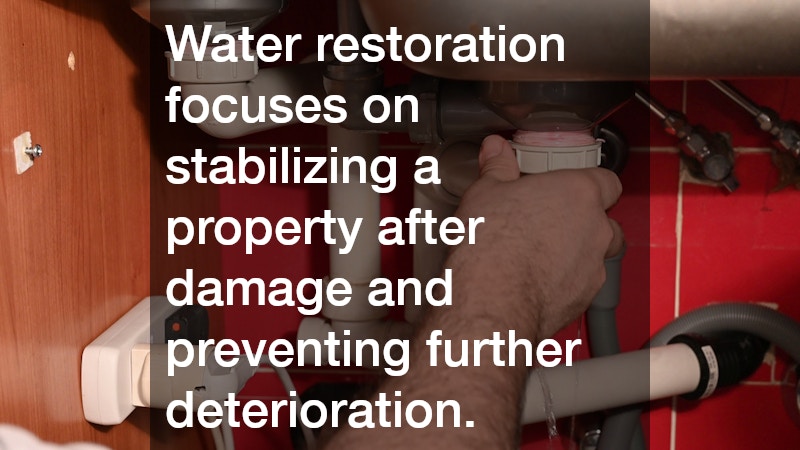
Water restoration focuses on stabilizing a property after damage and preventing further deterioration. It involves a combination of water removal, drying, cleaning, and repair work designed to return the structure to a functional condition.
The process is methodical and depends heavily on timing, equipment, and accurate assessment of moisture levels throughout the property.
Related Posts

What Should You Expect from Roofing Services?
When it comes to maintaining or upgrading your home, few elements are as important as…
Is it Finally Time for That Water Heater Replacement?
Water heater replacement is an essential consideration for any homeowner. Many of us rely on…

Should I Get an Electrical Panel Upgrade for My House?
Understanding the necessity and benefits of upgrading your electrical panel can help improve the safety…